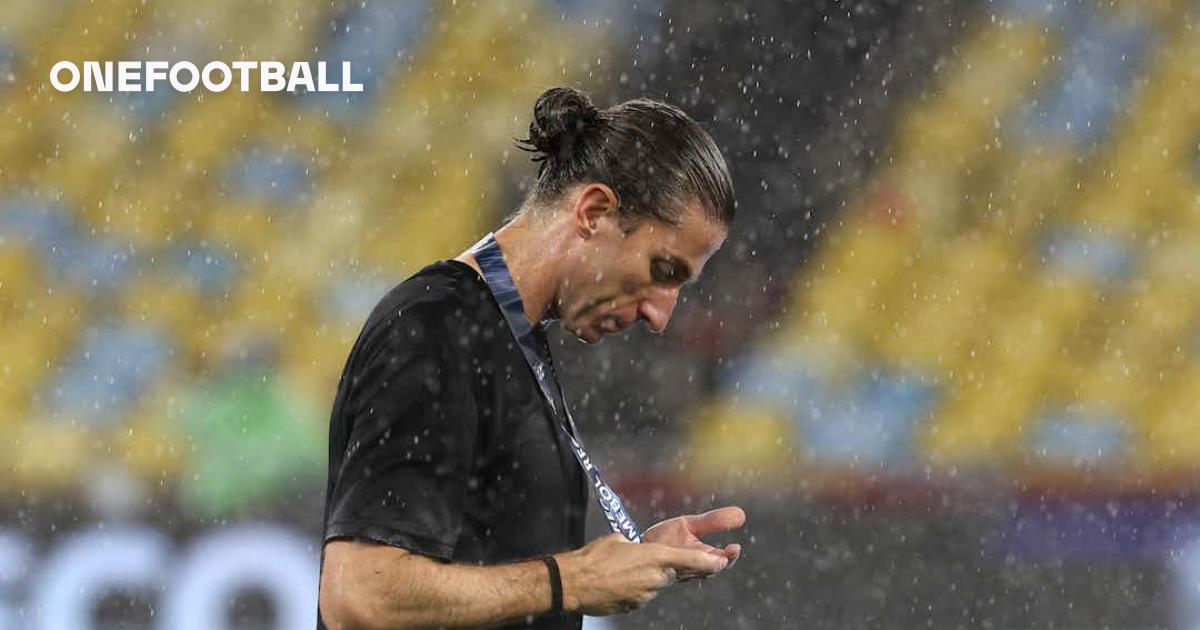
"Leila Crítica Filipe Luís": Navigating the Digital Void of a Peculiar Search Query
In the vast ocean of online information, certain search queries stand out as intriguing enigmas. One such term that has captured the curiosity of internet users is "Leila Crítica Filipe Luís". At first glance, it suggests a clear scenario: someone named Leila offering criticism or a critique regarding the well-known Brazilian professional footballer, Filipe Luís. However, a deep dive into mainstream search engines and comprehensive archives often reveals a surprising absence of direct, verifiable content that specifically addresses this interaction. This article aims to explore this digital phenomenon, dissecting the potential meanings behind the search term, unraveling the reasons for the information scarcity, and providing practical strategies for uncovering such elusive details.
Our journey begins by acknowledging the fundamental challenge: despite the specificity of the keywords, direct results are conspicuously missing. This isn't merely an oversight; it points to a broader characteristic of how information is indexed and retrieved online. For those looking to understand the background of this phenomenon, we encourage you to read Uncovering "Leila Crítica Filipe Luís": A Content Search Analysis for a deeper dive into the technical aspects of this content search.
Deconstructing the Search Query: What Does "Leila Crítica Filipe Luís" Imply?
To understand the lack of information, we must first fully appreciate what the search term itself suggests. Let's break down its components:
- Leila: This is a widely used name, common across various cultures and languages. Without further context, "Leila" could refer to anyone – a journalist, a pundit, a fan, a family member, or even a public figure whose full name isn't immediately recognized. The sheer commonality of the name makes specific identification challenging if the context is obscure.
- Crítica: This word is Portuguese (and Spanish) for "criticism," "critique," "review," or "assessment." It strongly indicates an act of judgment or commentary, rather than just a casual mention. This is the action verb of our query, highlighting a potentially negative or analytical stance.
- Filipe Luís: This is the most concrete and easily identifiable element of the search term. Filipe Luís Kasmirski is a highly respected Brazilian professional footballer, primarily known for his stints as a left-back for clubs like Atlético Madrid and Flamengo, as well as the Brazilian national team. His public profile is significant, especially in the world of football.
Synthesizing these elements, the query points to a situation where an individual named Leila voiced a critical opinion or conducted an analysis concerning Filipe Luís. Given his high-profile career, any significant criticism from a public figure would typically garner media attention. The absence of such easily accessible information, therefore, becomes even more perplexing.
The Digital Void: Unpacking the Absence of Online Information
The core mystery surrounding "Leila Crítica Filipe Luís" is the striking lack of readily available online content directly addressing it. Our research, aligning with common search experiences, reveals a striking absence of direct content from reputable news sources, sports archives, or even prominent social media discussions. This leads us to several hypotheses regarding this digital void:
- Niche or Obscure Event: The criticism might have been a minor incident, a fleeting comment, or a localized discussion that never gained widespread traction. Not every public statement, even by or about a prominent figure, makes it into mainstream news or is permanently archived by search engines.
- Misinformation or Misremembered Details: It's possible the searcher is operating on incomplete or slightly incorrect information. Perhaps the name "Leila" is a misattribution, or the individual's full name is different, leading to a fragmented search. Similarly, the context of the "criticism" might be misremembered.
- Private or Non-Public Context: The "crítica" might have occurred in a private setting, a closed social media group, a local radio interview that wasn't transcribed, or an older forum post that is no longer indexed by modern search algorithms.
- Language and Indexing Barriers: While "crítica" is Portuguese, much of the internet's indexing for broad searches still prioritizes English content. If the original discussion happened exclusively in Portuguese on a less prominent local news site or blog, it might not be easily discoverable through general English-language searches. Furthermore, some platforms might not allow external search engines to fully crawl and index their content.
- Ephemeral Content: Many online interactions, especially on social media, are ephemeral. A tweet, a comment, or a post might exist briefly and then get lost in the feed, deleted, or simply not achieve enough engagement to be widely shared and archived.
- Lack of Significance: The "criticism" might not have been significant enough in the broader context of Filipe Luís's career or the football world to warrant extensive reporting or permanent archiving. Only major controversies or highly impactful statements tend to have a lasting digital footprint.
- Hypothetical or Fictional Context: In some rare cases, such specific queries might stem from fictional discussions, fan theories, or even a misunderstanding of a piece of creative writing where such a scenario was explored.
The inherent challenge lies in distinguishing between information that genuinely doesn't exist and information that is merely difficult to find. For further insights into this retrieval challenge, take a look at The Elusive Context: Searching for "Leila Crítica Filipe Luís".
Strategies for Uncovering Elusive Information
When faced with a digital void like "Leila Crítica Filipe Luís," a more strategic and nuanced approach to information retrieval is necessary. Here are practical tips for those determined to uncover such elusive details:
Refine Your Search Queries and Keywords
- Use Variations and Synonyms: Instead of just "crítica," try "Leila comments on Filipe Luís," "Leila slams Filipe Luís," "Leila discusses Filipe Luís," or "Leila review Filipe Luís." In Portuguese, try "Leila criticou Filipe Luís" (past tense), "Leila falou sobre Filipe Luís."
- Add Specific Context: If you recall a rough timeframe, add years: "Leila crítica Filipe Luís 2021" or "Filipe Luís controversy Leila." Mention clubs: "Leila Filipe Luís Flamengo crítica" or "Leila Filipe Luís Atlético Madrid criticism."
- Target Specific Platforms: Instead of just Google, search directly within platforms where such discussions might occur.
- Social Media: Use advanced search features on Twitter, Facebook, Instagram, or even LinkedIn. Search for combinations of "Leila" and "Filipe Luís" with keywords like "crítica," "criticism," "comment," "opinion."
- Sports News Archives: Explore the archives of major Brazilian and European sports news outlets (e.g., Globo Esporte, UOL Esporte, ESPN Brasil, Marca, AS). Many have their own internal search functions that can be more effective than a general Google search for deep historical content.
- Fan Forums and Discussion Boards: Websites dedicated to Flamengo, Atlético Madrid, or Brazilian football often host lengthy discussions that might not be fully indexed by mainstream search engines.
- YouTube: Search for interviews or commentary videos related to Filipe Luís, then look for mentions of "Leila" in titles, descriptions, or comments.
- Specify Language: Use Google's language tools to search specifically for results in Portuguese. This can be crucial if the original content was not in English. For example, add
lang:ptto your Google search query.
Deep Dive into News Archives and Specialized Databases
Sometimes, information is buried in older news databases that aren't easily discoverable through a standard search. Libraries and academic institutions sometimes offer access to such archives. While less likely for a sports-related critique, it's a valuable strategy for broader research.
Consult Experts and Online Communities
If you're part of a community of football fans, especially those dedicated to Brazilian football or Filipe Luís, consider posing the question in relevant forums or social media groups. Collective memory can sometimes unearth details that search engines miss.
Consider the Source of the Query
Reflect on where you first encountered this specific phrase. Was it a conversation, a partial quote, a social media comment? The origin might offer clues as to the context or the identity of "Leila."
The Broader Implications of a "Missing" Search Term
The case of "Leila Crítica Filipe Luís" serves as a compelling reminder of the complexities of information retrieval in the digital age. It highlights that:
- Not Everything Is Indexed: The internet is vast, and search engines, while powerful, only index a fraction of its content. "Dark web" content, private databases, closed social media groups, and rapidly evolving data streams often remain outside the reach of general searches.
- Context is King: Without sufficient context, even highly specific keywords can lead to dead ends. The identity of "Leila" and the precise nature of her "criticism" are critical missing pieces.
- The Intent Behind the Search Matters: What is the searcher's ultimate goal? Are they looking for a specific quote, an analysis of a game, a personal opinion, or a major controversy? Understanding this intent can help refine the search strategy.
Conclusion
The search query "Leila Crítica Filipe Luís" stands as an intriguing example of a specific yet elusive piece of online information. It suggests a clear interaction between an individual named Leila and the celebrated footballer Filipe Luís, centered around criticism or a critique. Yet, a thorough examination reveals a significant scarcity of direct, verifiable content. This digital void is likely a confluence of factors, including the potential niche nature of the event, possible misinformation, the content existing in less indexed corners of the web, or language barriers.
Far from being a sign of non-existence, the absence of easily discoverable information often underscores the need for more sophisticated and persistent search strategies. By refining queries, targeting specific platforms, considering language variations, and engaging with knowledgeable communities, one might eventually uncover the context behind such enigmatic search terms. Ultimately, "Leila Crítica Filipe Luís" reminds us that the quest for information in the digital age is not always a straightforward path, but an exercise in critical thinking, strategic searching, and an appreciation for the vast, often unindexed, corners of the internet.